“China's Leap into Flying Cars: Is the First One Here?”
China’s Leap into Flying Cars: The Future Takes Off
Once a dream from science fiction, China’s flying car revolution is fast becoming reality. With companies like XPeng and Chery investing heavily in electric vertical takeoff and landing (eVTOL) technology, the future of urban air travel is closer than ever.
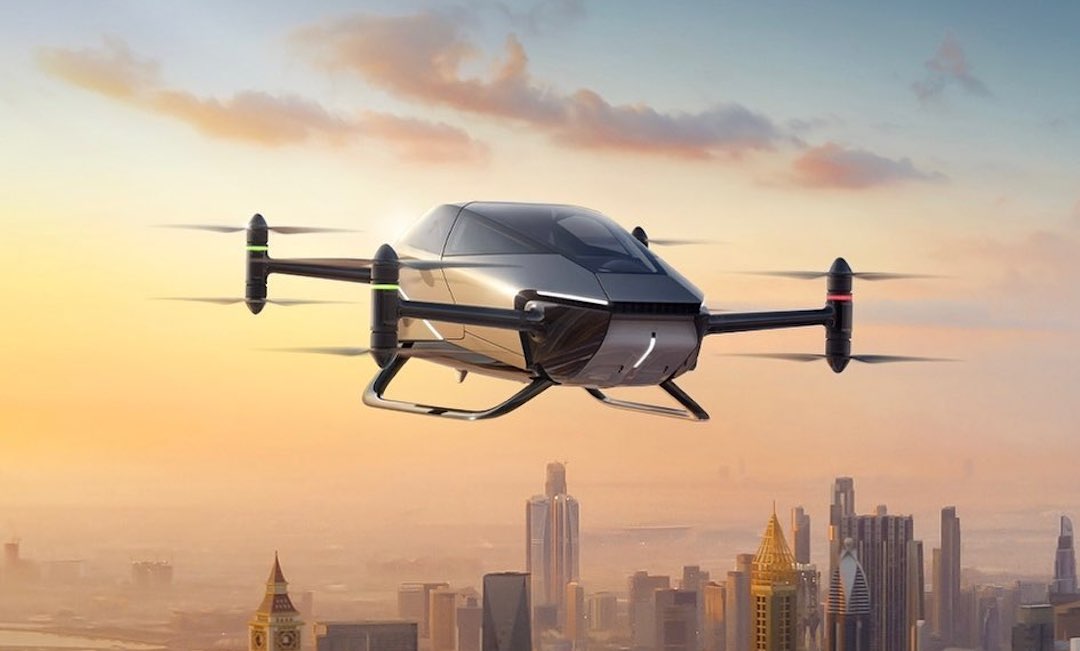
China takes the lead in flying car innovation
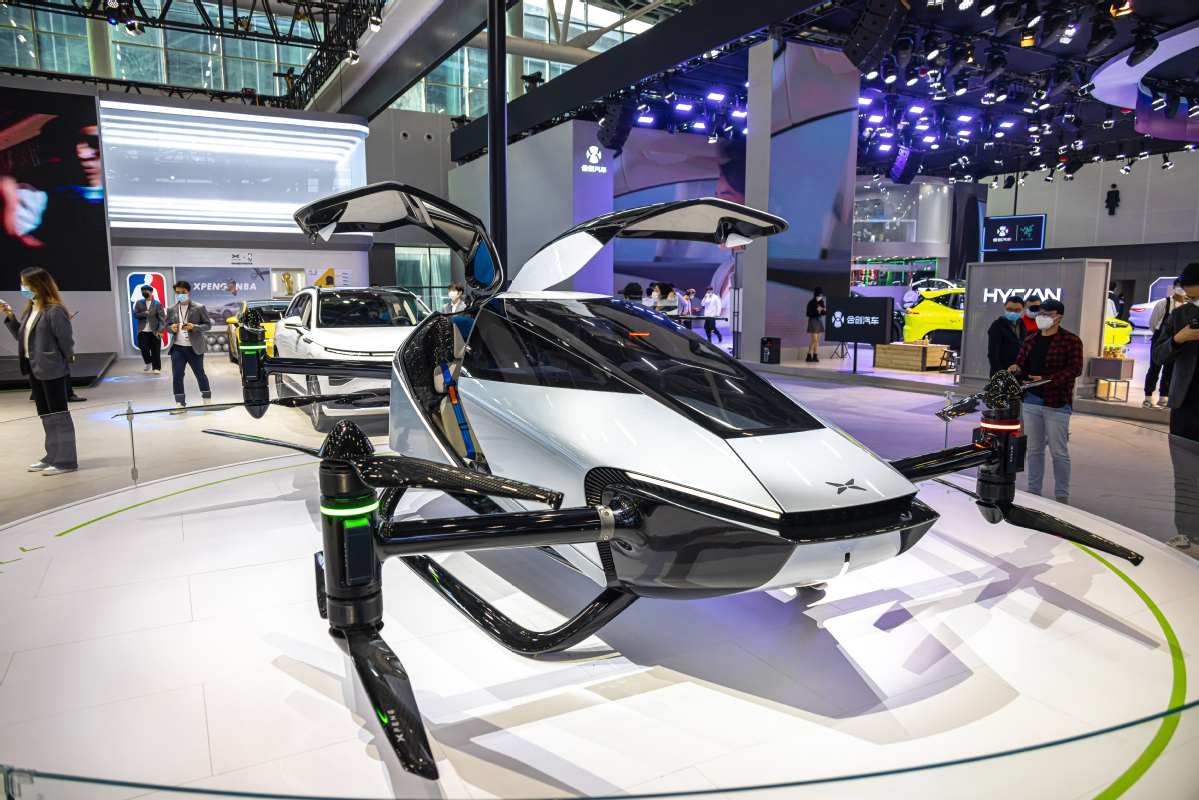
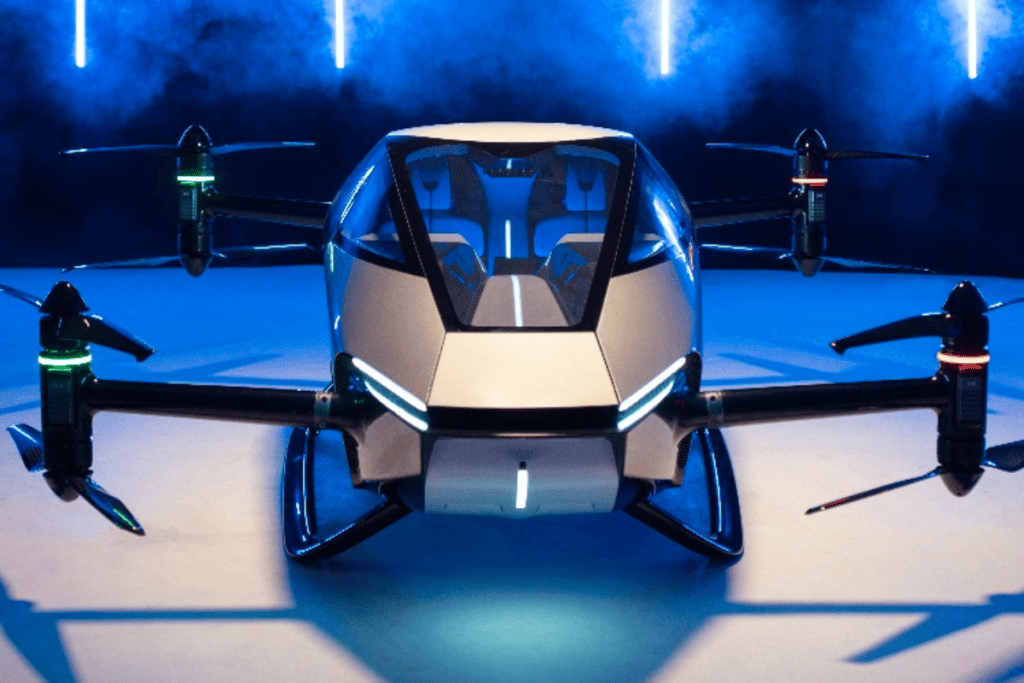
In 2025, China showcased multiple flying car prototypes through private companies and universities. XPeng AeroHT’s “Voyager X2” has become the highlight — it’s a fully electric, autonomous flying vehicle designed for short urban trips.
The X2 has already completed over 3,000 test flights and obtained a flight permit from the Chinese Civil Aviation Authority. Production is expected to begin by 2026, marking a major step in the commercialization of flying vehicles.
Major projects to watch
🚀 XPeng AeroHT (Voyager X2)
XPeng’s flying car, powered entirely by electricity, is designed for both ground driving and vertical takeoff. It includes smart navigation and advanced battery systems. XPeng aims to make this car the first mass-produced China flying car available for public use.
🛫 Chery’s eVTOL program
Chery announced plans to launch its first eVTOL (electric vertical takeoff and landing) vehicle in late 2025. This project targets urban mobility and tourism markets, combining car comfort with drone flexibility.
🧠 Research & University projects
Southeast University recently revealed “Kunpeng No.1” — a flying car using distributed electric propulsion, offering higher stability and precision control. This marks another milestone in China’s tech evolution.
Challenges before mass adoption
| Challenge | Why it matters |
|---|---|
| Battery technology | Lightweight, long-range batteries are still under development for extended flights. |
| Air safety regulation | Governments must define flight corridors, altitude rules, and pilot certifications. |
| Urban infrastructure | Building “vertiports” and charging stations is key for future air mobility. |
| Cost | Initial flying cars may cost above $150,000, limiting access to early adopters only. |
When can we expect flying cars in China?
According to industry forecasts, small-scale commercial flying cars could appear in Chinese cities by **2026–2027**. The first use cases will likely include emergency response, tourism, and luxury travel before mass-market rollout around **2030**.
Conclusion
Claiming that “China has launched the first flying car” may be slightly premature — yet the progress is undeniable. XPeng, Chery, and several academic teams are on the verge of bringing electric flying vehicles to reality. With strong government support and rapid battery innovation, China is set to lead the global flying car revolution.


Comments
Post a Comment