1. “AI Bubble 2025: Are We Heading for a Tech Crash Like the Dot-Com Era?”
Is the “AI Bubble” Repeating the Dot-Com Era?
Imagine starting to invest in 1998, when the world went crazy over the internet. New companies popped up overnight, each promising to be the “next big thing.” You invested all your money in a few tech stocks just because their names ended with “.com.” For a few years, your portfolio kept rising, and everyone thought you were a genius. But then came 2000. Nasdaq dropped nearly 80%, investors were shocked, and even billionaires like Bill Gates saw billions wiped out. Many friends lost millions in a blink of an eye. The lesson? The internet was the future—but hype and overconfidence created one of the biggest bubbles in history.
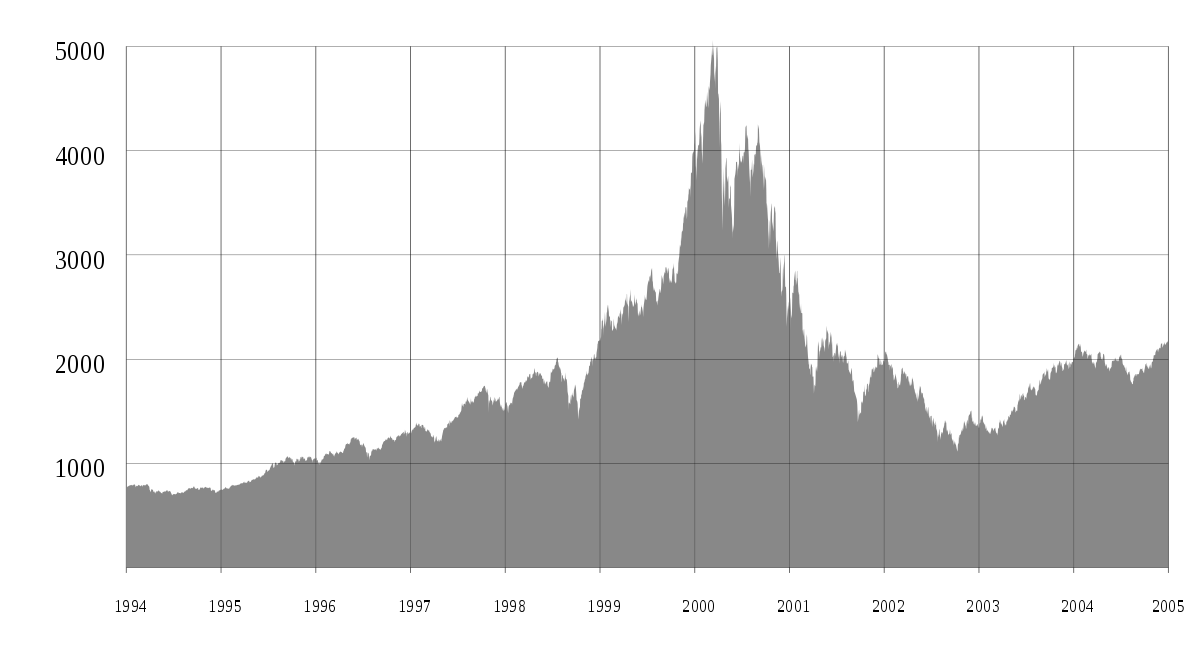
Fast forward to today, and I see similar energy—but this time it's not the internet; it's AI. People are calling it a once-in-a-lifetime opportunity. Maybe they are right—or maybe history is rhyming again. As John Templeton said, the four most expensive words in investing are: “This time is different.” But is it?
The Hidden Forces Behind the AI Bubble
1. Market Dominated by a Few Giants
The fate of the entire stock market is heavily influenced by the “Magnificent Seven”: Amazon, Microsoft, Alphabet, Meta, Apple, Tesla, and Nvidia. Together, they make up roughly 36% of the S&P 500. Every dollar they invest in AI sends ripples throughout the market—from chipmakers to cloud infrastructure and even index funds. ([source](https://www.investopedia.com/ai-stocks-have-fueled-the-bull-market-for-3-years-will-the-momentum-continue-11820797))
2. Massive Spending Without Immediate Returns
These companies are spending billions on AI each year: Tesla $5B, Apple $10.7B, Meta $60B, Google $75B, Microsoft $80B, Amazon $100B. In total, over $330B in just one year, more than the GDP of countries like Finland or Portugal. But profits aren’t yet keeping pace, and valuations might be inflated. ([source](https://www.reuters.com/commentary/breakingviews/ai-investment-bubble-inflated-by-trio-dilemmas-2025-09-25))
3. The “Data Wall” Limit
AI depends heavily on data. However, the available public data that can train models is finite. By 2027, AI is expected to have consumed nearly all human-generated online content. If progress slows due to this “data wall,” investor expectations could collapse, and the AI bubble may burst.

What Should Everyday Investors Do?
Here are strategies to navigate this environment:
- Keep investing regularly: Use automatic investments in broad index funds. Historically, markets recover over time even after bubbles burst.
- Increase your income: Boost your salary or start side hustles to grow wealth faster, especially during market dips.
- Diversify: Don’t put all your money into one asset. Spread across stocks, bonds, gold, real estate, and crypto.
- Don’t panic: Avoid emotional reactions. The key is steady, informed investing.
Is This Time Really Different?
The main difference from the dot-com era is that AI companies have real products and potential paths to profits. However, their valuations may still be stretched. Whether this bubble continues or bursts depends on execution, innovation, and global competition. ([source](https://www.investing.com/analysis/ai-market-reality-check-why-the-44-trillion-bubble-has-not-burst-yet-200667511))
Conclusion
History may not repeat exactly, but it often rhymes. The current AI bubble could mark the start of a decade of revolutionary investments—or signal caution for overvalued tech stocks. Staying informed, diversified, and disciplined will allow investors to benefit whether the bubble continues or corrects.


Comments
Post a Comment